
Finding a therapist feels like it should be simple. You type a search, get a list of names, skim a few bios, and pick one, but most people who have actually gone through that process know it rarely works that cleanly. The list is long, the profiles start to blur together, and at some point, you realize you are not entirely sure what you are even looking for.
That is not a personal failure. Most people are never taught how to evaluate mental health care. You are expected to figure it out on your own at exactly the moment when you already have enough on your plate. This guide breaks down what genuinely matters when looking for therapy Hillsboro Oregon, so you can move through that search with something more reliable than guesswork.
Know What You Are Bringing First
Before you spend an hour scrolling through therapist directories, spend ten minutes being honest with yourself about why you are looking. Anxiety that spikes at work? A marriage that keeps circling the same argument without resolution? Grief that has been sitting quietly for longer than you expected? Patterns you can see in yourself but cannot seem to change alone?
The reason this step matters is that therapists specialize. The person who does excellent work with postpartum depression and the person who specializes in adolescent trauma are both skilled clinicians, but they are not interchangeable. A great therapist whose expertise does not match your needs will not serve you as well as a solid therapist who works in exactly your area.
Write down what you want to address and be specific. That list becomes your filter when you are reviewing profiles, and it saves you from booking a consultation only to discover the fit was never going to work.
Understand the Credentials You Are Looking At
Oregon licenses several types of mental health professionals, and their backgrounds are meaningfully different. A Licensed Marriage and Family Therapist (LMFT) brings deep training in relational and family systems work. A Licensed Professional Counselor (LPC) typically has broad clinical training applicable across a range of concerns. A Licensed Clinical Social Worker (LCSW) normally brings good awareness of how social environments and systemic factors influence mental health. A Licensed Psychologist may have more specialized training in psychological assessment or complex diagnoses.
None of these is universally better than another. What matters is whether the credential and the additional training behind it match what you are bringing. Look beyond the license and check for specialty certifications in areas like trauma, grief work, anxiety disorders, or substance use. That extra training signals someone who has gone deeper into the work that may be most relevant to you.
Pay Close Attention to Clinical Approach
A lot of people skip what a therapist does inside the session matters as much as who they are outside it. Therapy is not a single method. Cognitive Behavioral Therapy works with thought patterns and behavioral responses. EMDR processes trauma held in the nervous system. The Gottman Method is specifically designed for couples. Internal Family Systems works with the different parts of the self. Each approach shapes the texture of your sessions entirely.
When researching therapists in Hillsboro, look for clinicians who work with evidence-based therapeutic approaches that have been tested and refined through clinical research rather than approaches built on intuition alone. A therapist who can explain clearly what they use, why they use it, and how it applies to your specific concerns is a therapist who has thought carefully about their practice. That kind of intentionality matters in the room.
Cultural Competence Is Not a Bonus Feature
Hillsboro is one of the most culturally diverse cities in Oregon. The area includes a significant Latino population alongside Asian American, immigrant, and other communities whose relationships with mental health, help-seeking, and family structure vary widely.
If your background, identity, or cultural experience plays any part in what you are working through, that context needs to be present in the room. A therapist who sees clients through a culturally aware and holistic lens understands that mental health does not exist separately from family expectations, spiritual frameworks, community pressures, or the lived experience of navigating systems that were not always built with your experience in mind.
When that awareness is missing, clients often spend their sessions explaining themselves rather than doing the actual work. Ask prospective therapists directly how they approach cultural differences in the therapeutic relationship. That question alone tends to reveal a lot.
Do Not Overlook the Practical Side
Access to care is a real part of this. A therapist who is excellent on paper but impossible to actually see consistently is not going to help you.
Check whether they accept your insurance or offer a sliding scale fee structure. Confirm session availability and lead times for new clients. Find out whether they offer in-person sessions, telehealth, or both. Hillsboro’s location in the Portland metro area means there are solid options across all of these, but availability varies by provider.
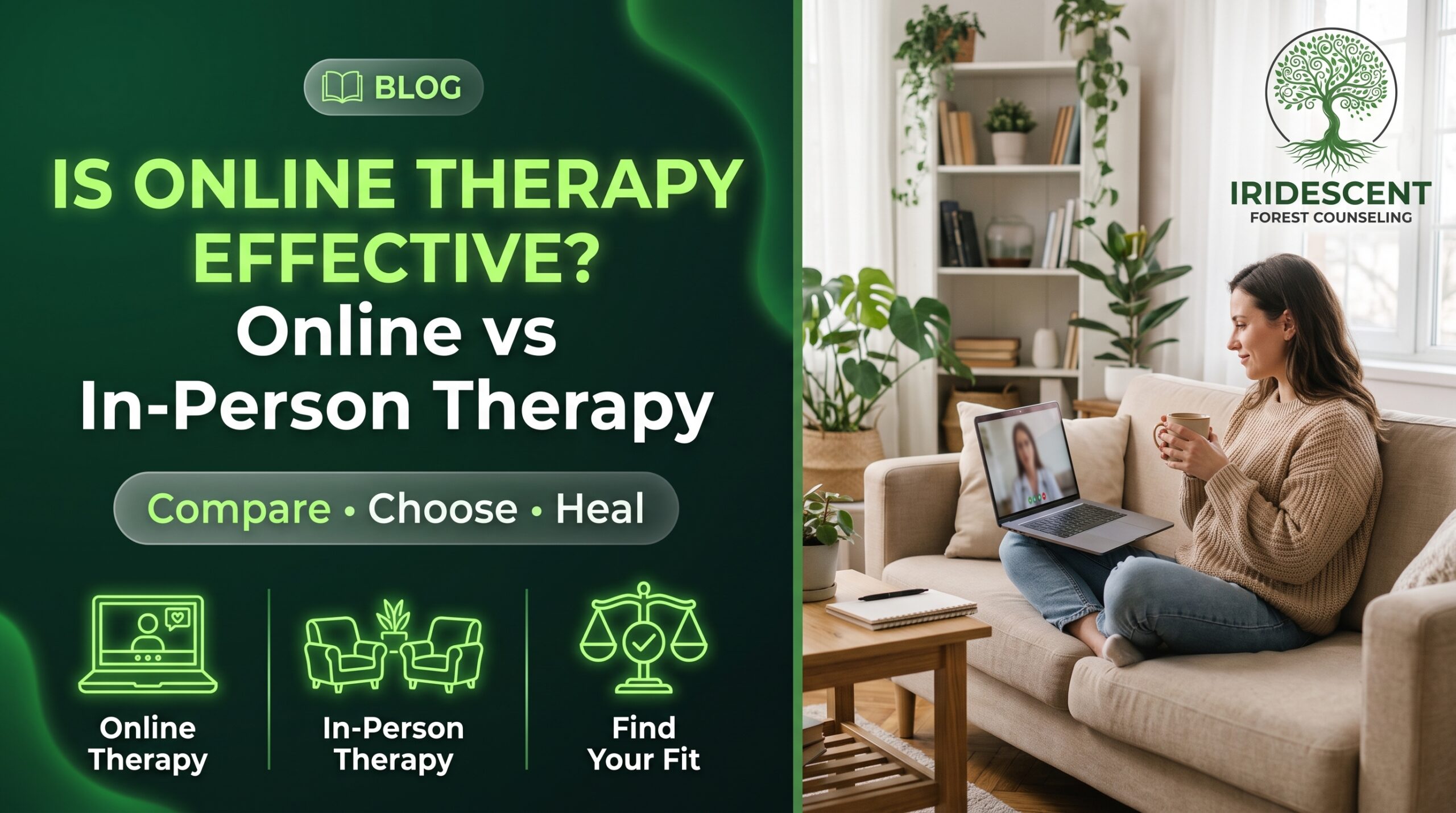
Telehealth has expanded what is accessible for many people. If you work unpredictable hours, have young children, or simply concentrate better in your own space, remote sessions with an Oregon-licensed therapist may serve you just as well or better than in-person appointments.
Use the Initial Consultation to Listen to Yourself
Most therapists offer a brief call before you commit to ongoing sessions. Do not skip this step, and do not treat it as a formality. A free 15-minute consultation gives you direct, unfiltered information about how this person communicates, how actively they listen, and whether the conversation feels like something you would want to continue.
The research on therapy consistently points to the therapeutic relationship itself as one of the strongest predictors of whether treatment produces real change. Credentials and approach matter, but so does what happens between two people in the room. For example, if parent consultations are one-sided or surface-level, that is worth taking seriously. If you walk away from the call feeling genuinely heard, that is equally worth noting.
You are allowed to speak with more than one therapist. You are allowed to change direction after the first session. Finding the right fit is part of the process, not a detour from it.
Looking for the Right Support
Searching for a therapist is worth doing carefully. The credential matters. The clinical approach matters. Cultural competence matters. The practical details of access and availability matter, and the way a therapist makes you feel in that first conversation matters more than most people give it credit for.
If you are looking for a counseling practice in Hillsboro that brings genuine clinical skill, warm responsiveness, and a real understanding of the diversity of people and experiences in this community, it’s worth reaching out to Iridescent Forest Counseling. Their approach reflects exactly the kind of thoughtful, relationship-centered care that makes therapy feel like something worth showing up for, week after week, for as long as the work takes.